
Jaw Joint Treatment in Bradford

Waking up with a dull jaw ache, or headaches that seem to come from nowhere? It is more common than you'd think.
You might also notice it’s harder to chew tougher foods, difficulty opening your mouth fully when yawning, or a clicking sound near your ear. These can all be early signs of a jaw joint problem, known as temporomandibular joint, or TMJ, disorder.
TMJ disorders are far from unusual. Jaw joint treatment in Bradford offers straightforward, comfortable ways to ease pain and help restore normal jaw function.

What is a jaw joint treatment?
Jaw joint treatment, also referred to as Temporomandibular Joint (TMJ) treatment, helps to resolve disorders affecting the jaw joint and the muscles that are responsible for its movement.
What causes TMJ disorders?
The temporomandibular joint links your upper and lower jaws together. It plays a part in chewing, speaking, smiling, swallowing, yawning, and pretty much everything else your mouth does.
There are several possible causes behind TMJ disorders, including grinding your teeth at night (bruxism), arthritis, jaw injuries, stress-related clenching, poorly fitted dentures, crowns or bridges, or simply general dental wear as you age.
The benefits of jaw joint treatment
TMJ treatment goes beyond easing pain, it can genuinely improve day-to-day life. Here’s how:
Greater comfort
Chewing and speaking start to feel easier and more natural.
Fewer headaches
Ongoing headaches and muscle tension tend to ease off.
More everyday enjoyment
Simple things like laughing, eating firmer foods, and yawning begin to feel normal again.
Feeling more rested
For those whose sleep has been disrupted by nighttime grinding or clenching, treatment can lead to waking up feeling noticeably more refreshed.

Symptoms of TMJ disorder
When strain or misalignment affects jaw joint, TMJ disorders can develop, often bringing symptoms such as:
- Pain or tenderness around the jaw
- Clicking or popping sounds near the ears
- Difficulty opening the mouth fully or chewing tougher foods
- Frequent headaches or earaches
- Tension building in the neck and shoulder muscles

The importance of early intervention
Neglecting TMJ disorders can cause pain to intensify and make daily activities like eating, talking and swallowing increasingly difficult.
With the passage of time, it may lead to a feeling of “locked jaw” or jaw stiffness. Timely action helps avert lasting complications and maintain a good quality of life.

Frequently asked questions
What symptoms indicate a TMJ disorder?
Typical symptoms include jaw pain, clicking or popping sounds, headaches, and trouble moving the jaw freely. If any of these sound familiar, it’s worth seeing a dentist for a proper examination.
How long does jaw joint treatment usually take?
This largely depends on the severity of your condition. Non-surgical approaches, like mouthguards, often provide relief within a few weeks, whereas more complicated cases may require additional time to settle.
Does jaw joint treatment hurt?
Not in the slightest. Treatment is designed to minimise any discomfort. Non-surgical methods are typically pain-free, while more involved procedures involve numbing and sedation to ensure you remain comfortable throughout.
Assessment
Treatment starts with a thorough consultation, incorporating 3D imaging and diagnostic testing to gain a clear understanding of your jaw joint, muscle activity and bite alignment.
LOAD MORE LESS
This helps pinpoint what’s actually behind your symptoms.

Non-invasive treatments
A good number of TMJ disorders respond well to simpler methods, including:
LOAD MORE LESS
- Bespoke mouthguards or splints: These comfortable appliances help minimise grinding and clenching, relieving pressure placed on the jaw joints.
- Physiotherapy and exercises: Specific jaw exercises can strengthen the surrounding muscles and improve how the joint moves.
- Stress management: Since stress is a common trigger for clenching, approaches like relaxation techniques, mindfulness, and massage can help release built-up tension.

Advanced interventions
Where non-invasive methods don’t fully resolve things, further options can be explored:
LOAD MORE LESS
- Bite correction: Realigning misaligned teeth eases strain on the jaw and enhances overall function.
- Medications: Anti-inflammatory medication or muscle relaxants may be prescribed to help ease discomfort.
- Surgical treatment: In cases that are more severe, surgery may be necessary to correct or restore the jaw joint and its surrounding muscles.
Types of jaw joint treatments
Jaw joint treatments for nervous patients
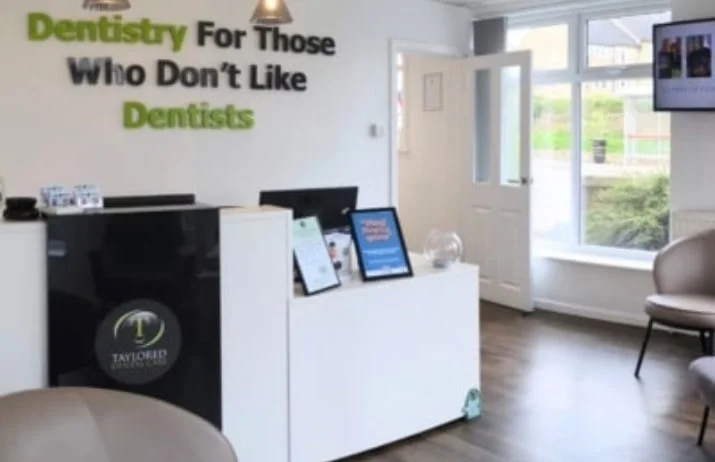
Naturally, the thought of jaw joint treatment can induce anxiety in some people. Concerns about lifestyle adjustments, the treatment process itself, or possibly surgery are perfectly natural. That’s why we focus on making the journey as reassuring and easy as possible. Here’s how Taylored Dental Care Bradford supports you throughout your visits:
- Attentive consultations: We take time to genuinely listen to your concerns and address your questions. A transparent, step-by-step plan ensures you always know what lies ahead, without any unexpected surprises.
- Sedation and numbing methods: Your comfort matters during procedures such as bite correction, crown and bridge adjustments, or jaw manipulation, with sedation or numbing offered for those feeling anxious. Where surgery becomes necessary, this is performed under general anaesthesia.
- Less invasive options: For certain situations, methods such as arthrocentesis are employed, using fine needles to remove inflammation from the joint — offering a swift, precise and gentler alternative.
- Ongoing guidance and follow-up: After treatment concludes, we continue supporting you by identifying habits such as clenching or grinding that might aggravate symptoms, alongside straightforward exercises for maintaining joint health at home. Encouragement remains part of our approach throughout, helping you stay motivated during recovery.
Take your first step towards living pain-free. Contact us about jaw joint treatment in Bradford today.