
Tooth Extractions in Bradford

Preserving your natural teeth is always the priority for our compassionate team, and every effort is made to save a tooth wherever possible.
That said, keeping a tooth in place isn’t always the right call for your broader health, even when saving it feels like the natural instinct. Perhaps an extraction has already been recommended to you, and questions about the pain involved, or simply why it’s needed at all, are still weighing on your mind.
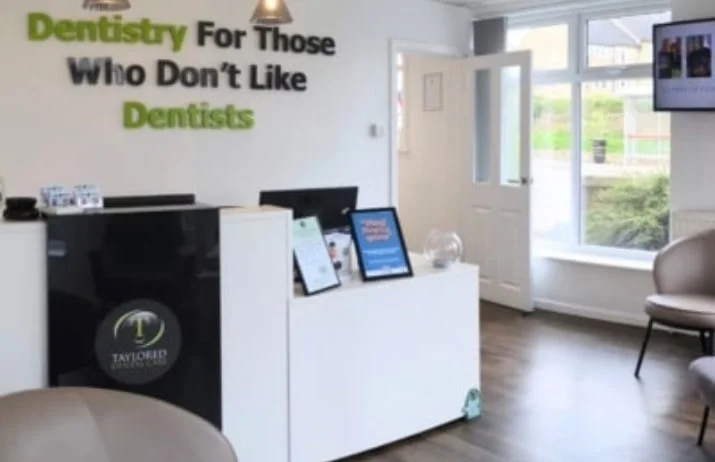
At Taylored Dental Care Bradford, tooth extractions are only ever carried out in Bradford when genuinely necessary, always with your best interests guiding the decision. The focus throughout is on making the process as smooth, comfortable and low-stress as it can be.
Tooth extractions explained: what they involve and why they're sometimes needed
An extraction means removing a tooth from the jaw, carried out only once the area has been thoroughly numbed. Saving your natural teeth remains the goal wherever possible, but certain situations call for a different approach:
- A tooth beyond repair: Where extensive decay, injury or advanced gum disease has caused irreversible damage, removing the tooth helps stop infection spreading further into nearby teeth or the jawbone.
- Orthodontics or teeth straightening: Sometimes there simply isn’t enough space in the mouth for every tooth. Before braces or similar treatment begins, extraction may be needed first to allow everything to align properly.
- Impacted wisdom teeth: It’s common for the third molars, better known as wisdom teeth, to become trapped beneath the gum or emerge at an awkward angle towards the back of the mouth, often leading to pain, infection and the eventual need for removal.
- Advanced gum disease: Periodontitis, in its more severe form, can break down the bone and tissue holding teeth in place. At this stage, extraction may become necessary to protect the health of the mouth overall.

Getting through recovery: aftercare advice
Recovery after an extraction is generally straightforward, though sticking closely to aftercare guidance helps avoid complications along the way.
Keeping discomfort in check
Some soreness or mild swelling in the days after treatment is entirely normal. Cold compresses, alongside over-the-counter pain relief, can help take the edge off.
Consuming softer foods
For the first few days, foods like soup, mashed potatoes, yoghurt, bananas and applesauce are a good choice. Anything hot, spicy or crunchy is best avoided until healing is further along.
Looking after oral hygiene
Spitting or rinsing forcefully should be avoided for the first 24 hours; swallowing saliva as normal is fine, even if it tastes a touch salty. After that first day, gentle salt water rinses can begin, though brushing directly over the extraction site is best left for 2–3 days.
Steering clear of smoking
Smoking can slow the healing process and raise the risk of complications, so avoiding it entirely for the first few days after extraction is strongly advised.

Frequently asked questions
Does it hurt having a tooth extracted?
Thanks to modern anaesthetics and technique, extractions are close to painless. Some mild discomfort may follow during recovery, though this is usually manageable with medication and a little care.
How long does recovery typically take?
Most people feel back to normal within about a week, though the extraction site itself may take a little longer to fully heal before it’s ready for any tooth replacement.
Is it okay to eat after a tooth extraction procedure?
Yes, though hard foods are best avoided for the first few days. Softer options are the better choice while healing takes place.
Consultation
X-rays are taken first to establish whether extraction really is the right, and only, option. From there, the procedure is explained fully, with plenty of time for any questions you might have.
LOAD MORE LESS
If cost is a concern, this is a good moment to raise it, as affordable extraction options and payment plans are available on request.

Anaesthesia
Worried about pain? There’s no need to be. A local numbing agent is used throughout, keeping the whole procedure comfortable.
LOAD MORE LESS
Where an extraction is more complex, or if nerves are getting the better of you, sedation is also offered to help you feel more relaxed.

The procedure
Simple extractions involve carefully loosening the tooth before it’s removed using precision instruments.
LOAD MORE LESS
For impacted teeth, a small incision in the gum may be needed first, still carried out entirely under local anaesthesia, to allow safe removal.
Aftercare
Once the tooth has been removed, clear guidance is given to support quick, comfortable healing.
LOAD MORE LESS
This covers managing any discomfort, adjusting your diet in the short term, and keeping the mouth clean as it recovers.
What to expect during a tooth extraction
Tooth extractions for nervous patients
Fear around tooth extractions usually comes down to one thing: worry about pain and swelling afterwards. Here’s how comfort is prioritised throughout:
- A personal approach: Time is taken to listen to your concerns, with each step explained clearly, so you feel informed and confident from start to finish.
- Sedation, if it helps: For anyone needing a bit of extra support to relax, sedation options are available to keep the whole experience calm and stress-free.
- Modern equipment and standards: The practice uses up-to-date tools, current numbing techniques and thorough sterilisation protocols, all geared towards minimal discomfort, quicker healing and smooth preparation for whatever comes next, whether that’s an implant, bridge or another replacement option.
Struggling with a troublesome tooth? Get in touch with Taylored Dental Care Bradford to arrange a quick consultation today.

Her dedication to patient well-being and her ability to restore both function and aesthetics make Dr Cutler a trusted provider for individuals seeking high-quality general dentistry and transformative, full-mouth rehabilitation treatments. Dr Rosina Cutler is an exceptional choice for general dentistry and full mouth rehabilitation at Taylored Dental Care, offering a compassionate and patient-centred approach to dental care.
Dr Cutler’s approach is characterised by personalised care, taking the time to understand each patient’s unique concerns and working at a pace that suits them. This empathetic methodology is particularly beneficial for individuals undergoing comprehensive treatments, such as full-mouth rehabilitation, where trust and comfort are paramount.
Graduating from the University of Leeds in 2012, Dr. Cutler has dedicated her career to creating a comfortable and supportive environment for her patients. She holds both sedation qualifications and Dental Phobia Certification, highlighting her commitment to assisting nervous or phobic patients in overcoming their dental anxieties.
Dr Rosina Cutler is an exceptional choice for general dentistry and full mouth rehabilitation at Taylored Dental Care, offering a compassionate and patient-centred approach to dental care.