Dental Crowns in Bradford

Damaged or discoloured teeth can make smiling and eating with confidence more difficult.
Dental crowns provide a flexible way to restore strength to teeth. Dental crowns in Bradford are moulded around you, tailored to complement your individual look whilst making everyday eating simpler.
What exactly are dental crowns?
Also known as “caps,” dental crowns are bespoke coverings designed to fit snugly over a tooth, restoring its size, shape, strength and general appearance. Depending on your preferences and requirements, they can be crafted from durable materials including porcelain, ceramic or metal.
Types of dental crowns
- Ceramic crowns: Crafted entirely from ceramic, these crowns achieve a natural, tooth-like appearance that blends seamlessly into your smile, making them a favoured choice for front teeth. More advanced varieties, such as Emax or LAVA crowns, are recognised for matching tooth shade with impressive precision, whilst zirconia ceramic crowns tend to be favoured for back teeth owing to their strength and durability.
- Porcelain-fused-to-metal (PFM) crowns: These bring together a sturdy metal base with a porcelain layer on top, giving you durability alongside a natural-looking finish. They work well for both front and back teeth, offering a solid balance of strength and appearance.
Advantages of dental crowns
Choosing dental crowns brings a number of advantages, including:
Strength and durability
Crowns protect teeth from further damage while restoring the ability to bite, tear, and chew properly.
A natural look
Ceramic crowns are shaped and shaded to match your existing teeth, so they sit naturally within your smile.
Better oral health
Crowns help shield teeth that have already been damaged from further harm.
Versatile by nature
Crowns work well for both function and appearance alike. They carry the natural look of veneers while also supporting confident eating, much like dentures, bridges, and implant crowns do.
A lift in confidence
Improving your smile can meaningfully boost self-esteem, helping you feel more confident in daily life.

Here's a look at how a missing back tooth can affect you:
- Metal crowns: Made from alloys such as gold, palladium, nickel, or chromium, these crowns are valued for their strength and long lifespan, making them well-suited to molars, which bear the greatest biting force. As they don’t blend in with natural teeth, they’re usually placed towards the back of the mouth, out of view.
- Stainless steel crowns: Prefabricated and typically used as a temporary measure for permanent teeth, or to protect children’s baby teeth in paediatric dentistry, these crowns are particularly good at holding off further decay while giving permanent teeth the space to develop properly.
- Temporary crowns: Made from acrylic resin, these offer a low-cost, short-term option. While not built to last in the way permanent crowns are, they provide a reliable stopgap during longer dental treatments.

Who is suitable for dental crowns?
Crowns can help with a range of dental concerns, including:
- Severely decayed teeth: Where fillings alone won’t do the job, crowns work to restore and shield teeth impacted by extensive decay.
- Structural damage: Crowns keep a cracked or broken tooth intact, guarding against additional damage.
- Post-root canal treatment: Crowns are commonly needed after root canal work, reinforcing and protecting the treated tooth over time.
- Cosmetic concerns: For teeth that are discoloured or oddly shaped, crowns offer an effective cosmetic solution.
- Dental implants: Crowns complete the look and function of a dental implant.

Frequently asked questions
For how long can I expect a dental crown to last?
With good care, a crown can last anywhere from 10 to 15 years, or even longer. Regular dental visits and solid oral hygiene both help extend its lifespan.
Will my crown appear natural?
Crowns are shaped, sized, and coloured to match your natural teeth closely. High-quality materials are used to achieve a smooth, natural-looking result.
Will having a crown fitted cause any pain?
Not at all. The procedure is carried out under local anaesthesia, with numbing techniques used to keep things comfortable throughout. For anyone feeling particularly anxious, additional relaxation options are available too.
Consultation and assessment
This first step is about talking through your goals and dental needs. Your teeth are examined, with X-rays taken where needed, to help determine whether a crown is the right option for you.
LOAD MORE LESS
It’s also a good time to ask about costs, including what’s involved with replacing a crown further down the line.

Tooth preparation
The damaged tooth is carefully reshaped to create enough space for the dental crown while preserving as much healthy tooth structure as possible. Local anaesthetic is used to keep you comfortable throughout the procedure and ensure a relaxed treatment experience.
Impressions
Detailed impressions or digital 3D scans of your prepared tooth are taken to create a crown that fits precisely. These records are sent to a dental laboratory, where your custom crown is crafted to match your surrounding teeth naturally.
Temporary crown
A temporary crown is placed over the prepared tooth to protect it while your permanent restoration is being made. It helps maintain your appearance, supports everyday function and reduces sensitivity until your next appointment.
Final placement
Once your permanent crown is ready, we carefully position it and check the fit, appearance and bite before securing it in place. Any necessary adjustments are made to ensure comfort, stability and natural function for your restored tooth.
The dental crown process
Dental crowns for nervous patients
It’s understandable that dental visits may make some people anxious.
Enduring drills, impressions and sitting patiently in the chair can seem daunting. Here’s how Taylored Dental Care ensures your procedure stays comfortable:
- Communication: Each step is talked through using models and videos, so you’re fully informed throughout.
- Gentle techniques: Modern tools and methods keep the procedure straightforward and pain-free. The area is numbed during treatment, so no discomfort is felt.
- Adaptable choices: For those experiencing dental anxiety, sedation options are offered to help make your visit as comfortable as possible.
A dental crown in Bradford can make a real difference to both your oral health and confidence. Contact us today and book your consultation to find out more.

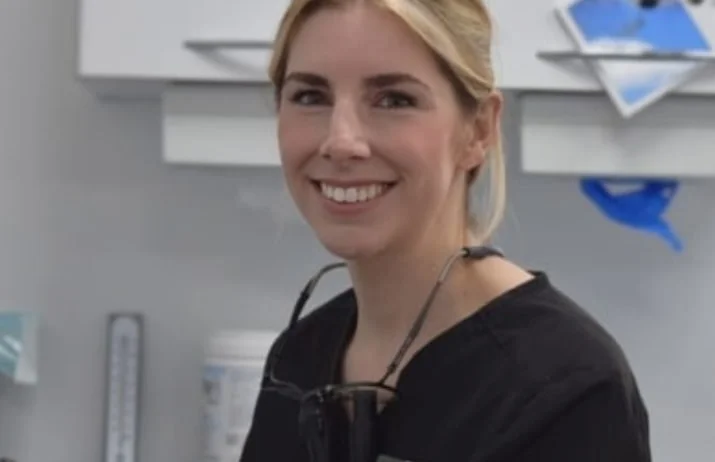
Her dedication to patient well-being and her ability to restore both function and aesthetics make Dr Cutler a trusted provider for individuals seeking high-quality general dentistry and transformative, full-mouth rehabilitation treatments. Dr Rosina Cutler is an exceptional choice for general dentistry and full mouth rehabilitation at Taylored Dental Care, offering a compassionate and patient-centred approach to dental care.
Dr Cutler’s approach is characterised by personalised care, taking the time to understand each patient’s unique concerns and working at a pace that suits them. This empathetic methodology is particularly beneficial for individuals undergoing comprehensive treatments, such as full-mouth rehabilitation, where trust and comfort are paramount.
Graduating from the University of Leeds in 2012, Dr. Cutler has dedicated her career to creating a comfortable and supportive environment for her patients. She holds both sedation qualifications and Dental Phobia Certification, highlighting her commitment to assisting nervous or phobic patients in overcoming their dental anxieties.
Dr Rosina Cutler is an exceptional choice for general dentistry and full mouth rehabilitation at Taylored Dental Care, offering a compassionate and patient-centred approach to dental care.