
Dental Bridges in Bradford

It only takes one gap or weak point to change how your whole smile looks and works.
Even a single missing tooth can disrupt your entire smile, along with your dental health and self-confidence. Whether you’re missing one or two teeth, or your dentist has recommended an extraction, you may now be wondering what your next step should be.
Dental bridges in Bradford offer a dependable, functional way to restore your smile and keep it healthy for the long run.
What are dental bridges?
Dental bridges do exactly what their name suggests: they close the gap left by missing teeth. Each bridge joins three or more crowns together. The middle crowns, called pontics, replace the missing teeth, while the crowns on each side, known as retainers, fix onto your healthy natural teeth.
Together, they help restore your ability to chew, speak, and smile with confidence, bringing back both the look and function of a complete smile.
The benefits of dental bridges
A dental bridge offers far more than simply a full-looking smile. The benefits include:
Restores function
Eating and speaking become easier with dental bridges, opening up a wider range of foods to enjoy.
Prevents shifting of teeth
When a tooth is lost, the surrounding teeth can shift towards the empty space, potentially disrupting normal jaw movement and bite. A dental bridge fills this gap, helping to keep the remaining teeth correctly aligned.
Boosts confidence
A complete, natural smile can genuinely uplift your self-esteem.
Supports oral health
By spreading bite forces evenly across the jaw, dental bridges help ease strain on surrounding teeth and joints, supporting better oral health overall.

The types of dental bridges
Dental bridges in Bradford come in a range of options, each suited to different needs. Here’s a look at the various types available:
- Traditional bridges: The most frequently used type of dental bridge, these depend on crowns fitted over the natural teeth on either side, holding a pontic, or false tooth, securely in place between them.
- Cantilever bridges: In situations where support is only available from a single neighbouring tooth, a cantilever bridge can still successfully fill the gap. It uses one pontic attached to a single crown, and tends to be used for bridges positioned nearer the front of the mouth.
- Maryland bonded bridges: A gentler alternative to crowns, these rely on a framework bonded to the back of the supporting teeth rather than covering them fully, making them a good option for front-tooth bridges.
- Implant-supported bridges: Rather than relying on natural teeth for support, these bridges are held in place by two or more dental implants.

Who can get a dental bridge?
Dental bridges tend to be suitable if you:
- Have one or more missing teeth with healthy teeth or implants on either side.
- Are looking for a lasting solution that restores normal speaking and chewing.
- Would prefer a more affordable alternative to dental implants when replacing several teeth.

Frequently asked questions
How long is the process for getting a dental bridge?
The process for a dental bridge typically spans two to three appointments altogether, including the initial consultation plus preparing the tooth, taking moulds and fitting a temporary bridge. Once your permanent bridge is ready from the dental lab, it’s fixed into place during your final appointment.
What's the typical cost of a dental bridge?
Costs vary considerably based on the bridge type, materials used and the case’s complexity. Dental insurance might cover part or all of the expense, and flexible payment plans are also offered for dental bridges.
What steps should I take if my dental bridge starts feeling loose?
If you notice your bridge has come loose, get in touch with Taylored Dental Care Bradford as soon as you can. Meanwhile, avoid touching or adjusting it yourself, and try not to chew on that side of your mouth. Leaving a loose bridge unrepaired can lead to further complications down the line.
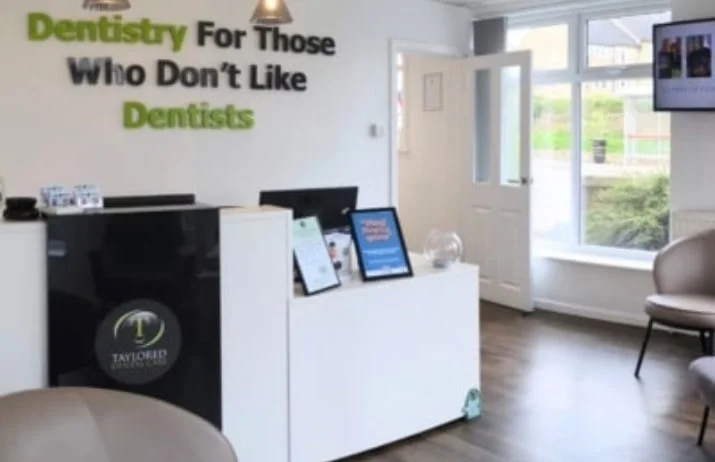
Consultation
Treatment starts with a comprehensive examination and consultation to determine the most suitable option for you.
LOAD MORE LESS
Your treatment goals and expectations are taken into account throughout, and from there, the most suitable type of dental bridge is recommended. Should you have questions about future repair costs down the line, we’re always happy to help.

Tooth preparation
For a traditional dental bridge, the supporting teeth are carefully reshaped to accommodate dental crowns. If an implant-supported bridge is planned, this stage differs. Every step is carried out with precision to preserve healthy tooth structure while ensuring a secure, lasting fit.
Impressions
Once the supporting teeth have been prepared, we take detailed impressions or digital scans of your mouth. These accurate records are sent to a dental laboratory, where your custom bridge is carefully crafted to match your natural teeth in fit and appearance.

Temporary bridge
A temporary bridge is fitted to protect the prepared teeth while your permanent restoration is being made. It also helps maintain your appearance, supports comfortable eating and speaking, and prevents neighbouring teeth from shifting before your next appointment.
Final fitting
Once your custom dental bridge has been returned from the laboratory, we carefully check its fit, appearance and bite before securing it in place. Any final adjustments are made to ensure lasting comfort, natural function and a confident, healthy-looking smile.
The dental bridge process
It's understandable to feel a little nervous about visits to the dentist.
Sitting in the chair, hearing drills and having impressions taken can feel a bit much at times. Here’s how Taylored Dental Care Bradford helps keep the process straightforward for you:
- Open communication: Surprises are kept to a minimum. Models and videos are used to talk you through each stage, so you know exactly what to expect.
- Gentle techniques: Modern tools and methods are used throughout, keeping the process precise, comfortable, and pain-free. The tooth and surrounding teeth are numbed during the bridge procedure, making it a largely painless experience.
- Sedation options: For those feeling particularly anxious, additional relaxation options such as sedation are also available.
A bespoke dental bridge in Bradford could mark the beginning of a healthier smile. Call today to arrange your appointment.

Her dedication to patient well-being and her ability to restore both function and aesthetics make Dr Cutler a trusted provider for individuals seeking high-quality general dentistry and transformative, full-mouth rehabilitation treatments. Dr Rosina Cutler is an exceptional choice for general dentistry and full mouth rehabilitation at Taylored Dental Care, offering a compassionate and patient-centred approach to dental care.
Dr Cutler’s approach is characterised by personalised care, taking the time to understand each patient’s unique concerns and working at a pace that suits them. This empathetic methodology is particularly beneficial for individuals undergoing comprehensive treatments, such as full-mouth rehabilitation, where trust and comfort are paramount.
Graduating from the University of Leeds in 2012, Dr. Cutler has dedicated her career to creating a comfortable and supportive environment for her patients. She holds both sedation qualifications and Dental Phobia Certification, highlighting her commitment to assisting nervous or phobic patients in overcoming their dental anxieties.
Dr Rosina Cutler is an exceptional choice for general dentistry and full mouth rehabilitation at Taylored Dental Care, offering a compassionate and patient-centred approach to dental care.