Staying Calm When a Dental Emergency Strikes
A sudden toothache or broken tooth has a habit of showing up at the worst time. It might be just before a bank holiday, right before you travel, or days before a big family event in Bradford. When you already feel nervous about the dentist, that pain can quickly turn into panic.
If you are a nervous patient, you might also carry some guilt or embarrassment about avoiding check-ups. That can make it even harder to pick up the phone when something goes wrong. You are not alone in feeling this way, and there is nothing to be ashamed of.
Dental emergencies can still be handled gently and calmly, even if you feel scared. With the right emergency dentist in Bradford, you can get out of pain in a way that feels kinder and more controlled. In this guide, we will look at how to spot a true emergency, simple steps you can take at home, how sedation can help with fear, and how to prepare so you feel safer if something urgent happens.
Spotting a Real Dental Emergency Versus a Minor Worry
Some problems need same-day attention, while others can safely wait for a booked visit. Knowing the difference can ease some of the fear.
A true dental emergency usually includes one or more of these:
- Severe toothache that does not settle with painkillers
- Swelling of the face or jaw, especially if it is spreading
- Trauma to the teeth or jaw after a fall or blow
- A knocked-out adult tooth
- A badly broken tooth with strong pain or sharp edges cutting your mouth
- Bleeding that will not stop after an extraction or injury
- Signs of infection like feeling unwell, a fever, or difficulty swallowing
Other issues feel urgent, but are not usually dangerous:
- A lost filling where the tooth is sensitive but not unbearable
- A chipped tooth with no or mild pain
- A loose crown or veneer before a special event
- A small crack that is not causing strong discomfort
As a general guide:
- If you have strong pain, swelling, or bleeding, seek same-day help from a dentist or, if you cannot reach one, call NHS 111 for advice.
- If you have had a heavy injury to your face or cannot breathe or swallow properly, this is an emergency for medical care at once.
- If you have a minor problem without strong pain, arrange a prompt appointment with an emergency dentist in Bradford.
If you are a nervous patient, it is always better to talk to a dental team than to sit at home worrying. A kind reception team can ask a few simple questions and help you decide the safest next step. Quick action, especially with injuries like a knocked-out tooth, can protect your smile and may mean simpler treatment later on.
First Aid Steps You Can Take Before You Reach the Dentist
While you are on your way to get help, a few calm actions can make you more comfortable. These do not replace proper care, but they can give you a bit of control and ease your mind.
For severe toothache:
- Rinse your mouth gently with warm salty water
- Take over-the-counter pain relief following the packet directions, if you can take that medicine safely
- Avoid very hot, cold, or sugary food and drink
- Try to keep your head raised when you lie down, as lying flat can make throbbing worse
For a broken or chipped tooth:
- Rinse your mouth slowly with warm water to clear any small bits
- If you find a broken piece, keep it in a clean container
- Avoid biting or chewing on that side
- If a sharp edge is catching your cheek or tongue, you can gently cover it with sugar-free chewing gum or dental wax if you have it
For a knocked-out adult tooth:
- Hold the tooth by the crown, the white chewing part, not the root
- If it is dirty, gently rinse it with cold water, do not scrub or use soap
- If you can, try to place it back in the socket and bite gently on a clean cloth to hold it
- If you cannot do that, place the tooth in milk or your own saliva in a small container and get urgent help
Try to avoid:
- Taking more painkillers than advised on the packet
- Using alcohol to numb the pain
- Ignoring any swelling or fever
- Trying DIY fixes with glue or other home products on the tooth or in your mouth
Having a small dental first aid kit at home or in your travel bag can be a big comfort. Simple items like pain relief, clean gauze, a small sealable pot, and the emergency details of your dental practice can make you feel more ready for the unexpected.
How Gentle Dentistry and Sedation Can Ease Your Fears
Modern dentistry is very focused on comfort, especially for people who feel worried or have had bad experiences in the past. Small details can lower your stress, for example:
- Numbing gel before any injection
- Slower, careful techniques so nothing feels rushed
- Clear explanations so you know what is happening next
- Regular pauses so you can rest or swallow
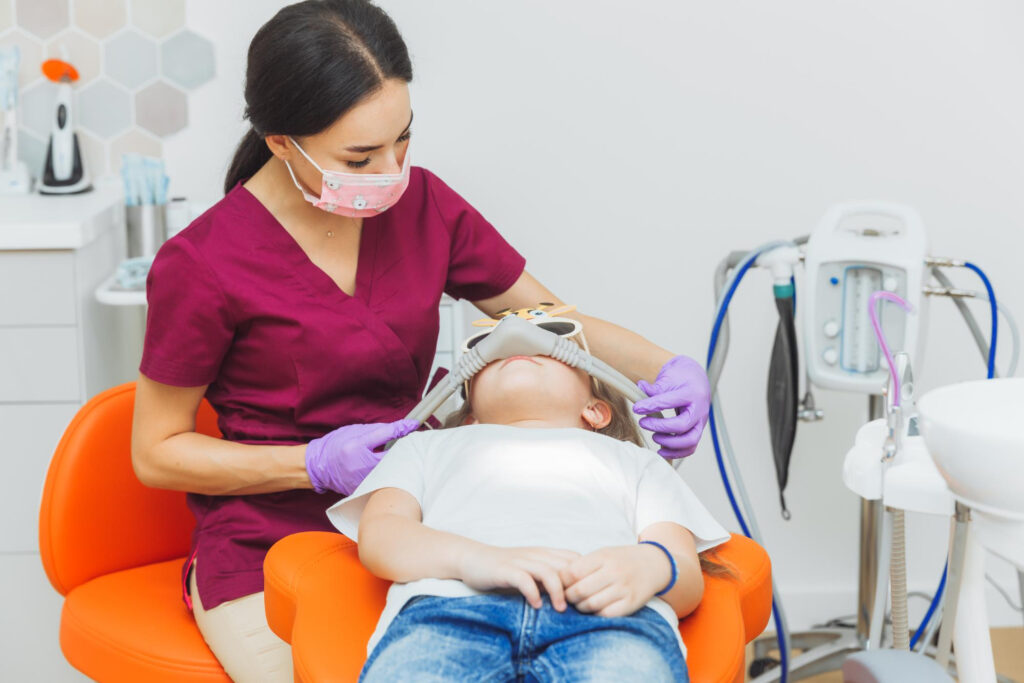
For many nervous patients, simple relaxation and breathing techniques, music, or a calm chat can already make a big difference. For others, that may not be enough, especially in an emergency when pain and fear are both high. That is where sedation can help.
There are different levels of support, from mild medicines that help you feel relaxed but awake, to stronger IV sedation for people who are very anxious or need longer treatment. Many patients remember little or nothing of what happened, which can greatly lower the fear of coming again in the future.
At Taylored Dental Care, we work with nervous and phobic patients every day. We take time to listen, we do not rush, and we encourage you to tell us what scares you so we can adapt. Getting help early, with sedation if needed, usually leads to treatment that is quicker, less complex, and less stressful than waiting until the pain feels unbearable.
Planning Ahead for Emergencies During Busy Months
As days get lighter and plans fill up with trips, sports, and family events around Bradford, the chances of accidents and sudden tooth trouble naturally rise. The good news is that a little planning can take a lot of fear out of a possible emergency.
Useful steps include:
- Saving your dentist’s emergency number in your phone
- Knowing the usual opening hours and what to do outside those times
- Keeping your dental first aid bits in one easy place at home
- Checking your dental health before holidays, weddings, or key events
If you know you are a nervous patient, it can really help to arrange a gentle check-up before life gets busy. That way the dental team already understands your history, any teeth that might be at higher risk, and which calming techniques or sedation options are best for you.
For parents of anxious children, it can help to:
- Explain in simple words what to do if they bump a tooth
- Reassure them that the dentist’s job is to help and stop pain
- Practice slow breathing or counting together so they know how to calm their body
- Keep their favourite comfort item handy if a visit is needed
Planning ahead does not mean you expect something to go wrong. It just means that if it does, you are not starting from zero. You already know who to call, what to say, and what kind of care you will receive.
Taking the First Step Toward Calm Emergency Care
You can be a nervous patient and still cope well with a dental emergency. With clear information, a few simple first aid steps, and a gentle team on your side, that scary moment can become far more manageable.
At Taylored Dental Care, our practices in Bradford, Shipley, and Keighley focus on calm, kind support for nervous patients, including those who need urgent or emergency care. We combine a relaxed, friendly approach with sedation options for people who feel very anxious, so you do not have to face pain or fear alone.
Get Rapid Relief From Your Dental Emergency Today
If you are in pain or worried about a sudden dental problem, our team at Taylored Dental Care is ready to help with prompt, friendly care. Find out how our emergency dentist in Bradford can assess your situation quickly and provide the treatment you need to feel comfortable again. You can also contact us to arrange an urgent appointment or ask any questions about what to do next.