Discover the Joy of Eating with Dental Implants
Eating should feel simple and relaxed. Biting into your favourite foods, chatting with friends, enjoying a quiet meal at home , all without worrying if your teeth will cope. For many people with loose dentures or missing teeth, everyday eating feels stressful instead of comforting.
Modern dental implants can change that. Once healed, they give strong, secure support for replacement teeth, so you can chew more easily and enjoy a wider range of foods again. For people choosing dental implants in Shipley and the surrounding areas, this often means getting back to normal family meals and social occasions without second thoughts.
At Taylored Dental Care, we see how much of a difference this makes. In our Shipley, Bradford, and Keighley practices, we help many nervous patients move from careful, limited eating to confident, everyday meals. This guide walks through what eating with implants really feels like, from soft foods after surgery through to crunchy favourites later on.
What Everyday Eating Feels Like with Implants
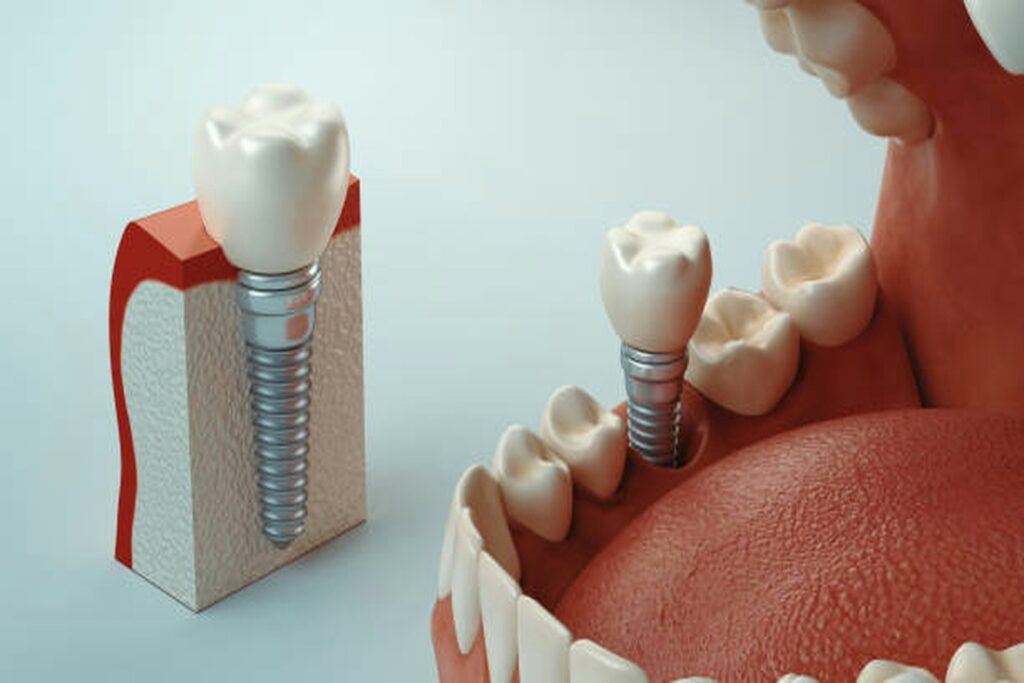
Once healed, dental implants act like artificial tooth roots in the jaw. They hold a crown, bridge or denture firmly in place, so the teeth feel stable when you chew. Instead of worrying that something might move, you can focus on enjoying your food.
People who have worn dentures often notice clear differences, such as:
- No slipping when you bite or talk
- Less rubbing on the gums
- A stronger, more even bite
- Clearer speech and fewer clicks or clacks
Foods that were once awkward, like crusty bread, crisp apples or fresh salad, often feel easier to manage when the teeth are fixed and supported by implants.
There is usually a short adaptation phase. At first, you may:
- Be more aware of the implant area
- Chew more slowly while you get used to the new bite
- Favour one side until everything feels fully natural
This is normal. Your mouth is learning a new pattern. With time and guidance, most people find chewing becomes automatic again, just as it was with natural teeth.
There is also an emotional side. Eating in company can feel more relaxed when you are not worried about dentures lifting or teeth moving as you laugh. Smiling for a photo, chatting through a long meal, ordering what you actually want from the menu, all of this can feel more comfortable and enjoyable.
From First Bite to Full Menu After Surgery
Right after implant surgery, your mouth needs gentle care. What and how you eat during this period can make a big difference to how comfortable you feel.
A typical eating timeline might look like this, with timing always guided by your own dentist’s advice:
- First 24 to 48 hours: Cool, soft foods that need almost no chewing
- First week: Soft, smooth meals that are easy to break up with a fork
- Following weeks: Gradual return to a wider range of foods as healing progresses
In the early days, simple soft options work best. Many people find it easier to stick with:
- Warming soups that are not too hot
- Mashed potatoes or soft root vegetables
- Scrambled eggs or soft omelettes
- Flaked fish in a soft pie or sauce
- Stewed fruit with yoghurt or custard
These kinds of meals are gentle on healing tissues. They reduce pressure on the implant sites and help keep your mouth comfortable while the implant bonds with the bone.
It is important to avoid very hot, very crunchy or very chewy foods at the start. Items like crusty baguettes, tough meats or sticky sweets can disturb the area as it heals. Biting hard directly on the new implant too soon can be uncomfortable and may slow down recovery.
Your aftercare plan from the dentist is there to keep things on track. Regular check-ups allow your dentist to see how the implant is healing and to tell you when it is safe to try more solid foods again. Following that personalised advice is the safest way back to your normal menu.
Enjoying Seasonal Treats with New Confidence
Once your implants are fully healed and restored with their final teeth, everyday eating usually feels much more straightforward. Many people enjoy hearty, comforting foods again, like:
- Roast meats that are easy to slice
- Roasted vegetables with a bit of crunch
- Cheese boards with softer cheeses and crackers
- Cakes, puddings and the occasional non-sticky sweet
Even with a strong bite, it still helps to be sensible with tricky textures. Around busier times of year, when big family meals are common, a few simple habits can keep your implants happy:
- Cut foods into smaller pieces, especially meats and crusty items
- Chew slowly and try to share the work on both sides of your mouth
- Avoid very sticky sweets like toffees and very hard items like nut brittles or ice cubes
- Do not use your teeth to crack nuts in the shell or open packaging
Social occasions in Shipley, Bradford and Keighley often involve buffets or set menus. If your implants are fairly new, it can help to:
- Choose dishes with softer textures, like fish, stews or slow cooked meats
- Drink water during the meal to rinse away loose food
- Take a moment after eating to clean gently around your implants as advised by your dentist
If you are nervous about coping with meals soon after treatment, you are not alone. Many people feel the same. Support, clear guidance and a friendly place to ask questions can make the whole period feel much easier.
Everyday Care to Keep Your Implants Eating Ready
Good daily care keeps your implants, gums and surrounding teeth healthier, so you can continue to eat in comfort for years.
A simple home routine usually includes:
- Brushing twice a day with a soft toothbrush
- Cleaning carefully around the gumline
- Using interdental brushes or floss where your dentist or hygienist recommends
- Following any special cleaning steps for implant bridges or dentures
Regular visits with your dental team allow them to:
- Check the health of the gums around your implants
- Make sure your bite still feels even and comfortable
- Spot early signs of any problems, such as inflammation
- Professionally remove plaque and tartar from hard-to-reach places
Everyday habits also make a difference. Limiting sugary snacks between meals can help protect both implants and natural teeth. Drinking plenty of water supports a fresher, cleaner mouth. Avoiding smoking is also strongly recommended, as it can affect how well implants do over time.
With consistent care and follow up, many people enjoy a full and varied diet, from crunchy vegetables to tender meats, with implants that feel stable and reliable every day.
Take the Next Step Towards Comfortable Eating
If loose dentures, gaps or painful teeth are making meals stressful, dental implants could open up a more relaxed way of eating again. For people thinking about dental implants in Shipley, Bradford or Keighley, it can help to talk to a team that understands both the practical and emotional sides of treatment.
At Taylored Dental Care, we focus on caring for nervous patients and offering gentle, supportive treatment options, including sedation where suitable. We are happy to answer questions about what eating is like during healing, which foods are safe at each stage and how to look after implants day to day. Starting the conversation now means future family meals and celebrations can feel more enjoyable and less restricted.
Restore Your Smile And Confidence With Lasting Implant Solutions
If you are ready to replace missing teeth with a stable, natural-looking solution, we can help you explore dental implants in Shipley tailored to your needs. At Taylored Dental Care, we will guide you through every stage, from your first consultation to your final, confident smile. To take the next step, simply contact us and arrange an appointment at a time that suits you.