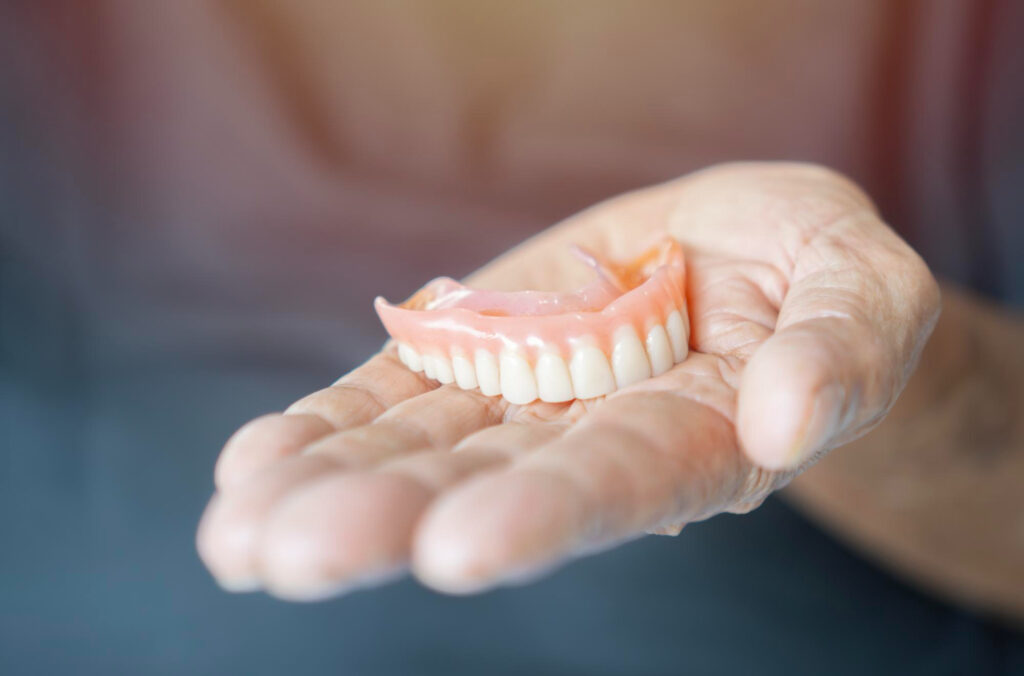
When Everyday Dentures Start Letting You Down
Loose, wobbly dentures can turn simple daily things into a constant worry. Talking at work, sharing a meal out in Shipley, or laughing with family can all feel stressful when you are trying to keep your teeth in place. Many people start to plan what they eat, how they speak, and even where they go, all around what their dentures might do.
Traditional dentures can be a good solution at the start. They often feel snug and give a big boost of confidence. Over time, though, the shape of your mouth changes. It is not bad luck or you doing something wrong; it is a natural process, and it can make dentures loose, sore, and unreliable.
If that sounds familiar, implant-retained dentures may be worth a look. They are dentures that clip on to dental implants in Shipley or nearby, so they feel much more secure. This can be especially reassuring if you already feel nervous about dentists or feel let down by dentures in the past.
Five Silent Reasons Dentures Fail Over Time
Dentures rarely go from “fine” to “awful” overnight. Problems creep in slowly, so it is easy to put up with them for years. Here are five common reasons they stop working well.
- Poor fit and changing jaw shape
- Bone loss and facial ageing
- Sore spots and infections
- Over-reliance on adhesives
- Speech and social confidence
First, poor fit. After teeth are removed, the bone that once held the roots starts to shrink back. Weight changes, general wear and the way you bite also play a part. A plate that once felt perfect can start to rock, lift at the back, or dig into one small area. Even tiny changes can make a big difference to comfort.
Next, bone loss and facial ageing. Without tooth roots, the jaw bone slowly shrinks. Cheeks can look more sunken and lines around the mouth can appear deeper. As the bone shrinks, there is less natural “ridge” for dentures to sit on, so they have less grip and feel less stable.
Sore spots are another warning sign. A bit of rubbing at first can turn into:
- Red, inflamed patches under the denture
- Ulcers that keep coming back
- Denture stomatitis, a fungal infection that can cause soreness and a burning feeling
When your gums are sore, you are more likely to choose soft, bland foods and avoid proper chewing.
Then there is adhesive. Using a tiny amount for peace of mind is one thing. But if you are:
- Gluing dentures in every morning
- Reapplying products through the day
- Choosing stronger and stronger pastes
then it may be time to look at the fit and the health of the mouth instead of stronger glue.
Finally, speech and social confidence. Loose dentures can cause a lisp or whistle sound, or make some words hard to say. Many people start to cover their mouth with a hand, avoid speaking up in meetings, or worry about dentures lifting when they laugh. Over time, this chips away at self-esteem.
Your Shipley Upgrade Checklist for Implant-Retained Dentures
If you are unsure whether to keep “making do” or to explore dental implants in Shipley, a simple checklist can help. Ask yourself:
- Do my dentures move when I yawn, cough, or laugh?
- Do I avoid crusty bread, crunchy fruit, nuts, or meat with any chew?
- Do I take my dentures out early in the evening because they rub or ache?
- Do I wake up dreading putting them in again?
If you answer “yes” to several of these, your dentures may not be serving you as well as they should.
Think about your diet as well. When teeth do not feel secure, it is common to:
- Stick to soft, processed foods
- Skip healthy raw fruit and veg
- Struggle with meat, salad, or anything that needs good chewing
Over time, this can affect digestion, general health, and your enjoyment of meals, especially when sharing food with friends or family.
Confidence is just as important. Be honest with yourself:
- Do you say no to social events because of your dentures?
- Do you worry about teeth slipping in photos?
- Do you avoid meeting new people or speaking in groups?
If dentures are shaping your social life, it is worth exploring a more secure option.
Finally, think about the ongoing “cost” of making do. Not just money for relines, repairs, new plates and adhesives, but the cost in comfort, energy and confidence. Implant-retained dentures usually need more planning at the start, but they can give a more stable, long-term base for your teeth.
What Really Happens at an Implant Denture Consultation
Many people feel nervous about even talking about dental implants. Knowing what to expect can help. At Taylored Dental Care, we focus on making anxious patients feel heard and supported.
The first step is simply listening. We want to know:
- What has and has not worked with your current dentures
- Any past bad experiences at the dentist
- Whether you have a strong gag reflex or find impressions difficult
- What “success” would look like for you in daily life
Next comes a careful clinical assessment. This usually includes checks of your gums, any remaining teeth, your bite and how your jaws meet. We may take digital scans or X-rays to measure bone levels and see whether implants are suitable straight away, or if you might need some gentle preparatory care first.
We also look closely at your existing dentures. We assess:
- How worn they are
- Whether the shape still suits your bite and face
- If they could be adapted to clip on to implants
- Or if new dentures would give a better result
After that, we talk you through a clear pathway, step by step. This can include how many implants you might need, how they work with your dentures, healing stages, and how we can keep you comfortable at each visit. Sedation options can also be discussed if you are especially anxious.
How Implant-Retained Dentures Transform Everyday Life
Implant-retained dentures are designed to lock onto implants, so they do not simply rest on the gums. This extra stability can change day-to-day life in many small but important ways.
Eating is often the first big difference people notice. With a more secure bite, it is easier to enjoy:
- Crunchier fruit and veg
- Crusty bread and firmer textures
- A wider range of family meals and treats
Being able to bite and chew without fear of movement makes food more enjoyable and can support better nutrition.
Speech often feels more natural too. Because the denture does not slide about, the tongue can move more freely. This can:
- Help reduce lisps and whistling
- Make words clearer
- Let you talk, laugh and sing without worry
Implants also help support the bone in the jaw, which in turn helps support the lips and lower face. This can give a more natural, youthful profile compared with a very flat, shrunken ridge.
Daily care is usually simple. Implant-retained dentures are still removed for cleaning, and you clean around the implants as advised. With good home care and regular check-ups, they can offer many years of reliable use, often with fewer sudden problems than loose, worn plates.
For anxious patients, the biggest change is often emotional. Not having to think about dentures all day can ease stress and help you feel more like yourself again. Many people find they smile more freely, say yes to more invitations, and feel more relaxed in both social and work settings.
Restore Your Confidence With Stable, Natural-Looking Teeth
If you are ready to explore a long-term solution for missing teeth, our team at Taylored Dental Care is here to help. Discover how dental implants in Shipley can improve your comfort, appearance and ability to eat with confidence. We will guide you through every stage, from your first consultation to aftercare, with clear advice tailored to your needs. To arrange an appointment or ask any questions, please contact us today.